Modern technology is reshaping everyday conveniences, including how we secure our homes. Smart door locks, with their sleek designs and high-tech features, continue to gain popularity. They promise enhanced security, remote access, and a heavy dose of cool-factor. But are they truly better than traditional locks?
Like any technology, they have their strengths and weaknesses. Explore the pros and cons of using smart door locks to decide if these gadgets fit your needs.
Convenience and Accessibility
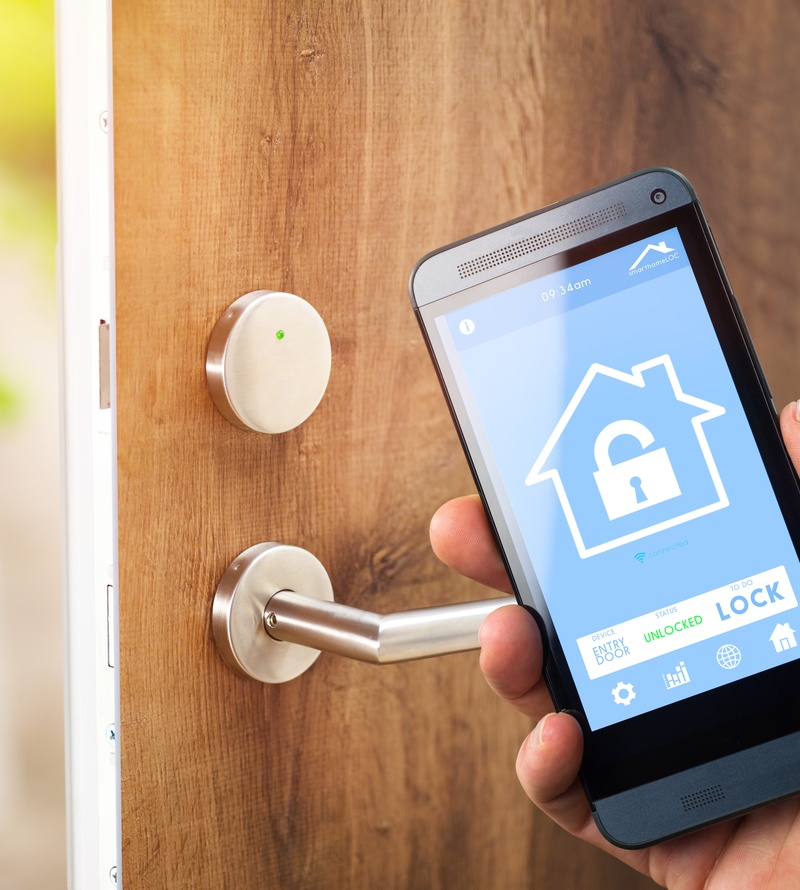
Smart door locks take convenience to a whole new level. With keyless entry features, you can unlock your door using a smartphone app, a PIN code, or even your fingerprint. This can be particularly helpful if you tend to lose or misplace your keys. Some models also allow remote access. This means you can lock or unlock your door from anywhere, which is great for letting in guests or service providers without being home.
However, the convenience relies heavily on the technology working as expected. If your smartphone runs out of battery or the app has technical glitches, you may find yourself stuck outside. While modern and practical, this kind of accessibility might not be everybody’s cup of tea.
Heightened Security Features
The design of smart door locks keeps security in mind, making them harder for burglars to pick. Some models send real-time notifications to your phone when someone tampers with the lock, offering peace of mind. Advanced features, like temporary access codes, add another layer of security, allowing you to control who enters your home and for how long. For instance, you can grant access to a dog walker or house cleaner without handing over an actual key.
That said, no technology is entirely foolproof. Hackers can exploit vulnerabilities in smart devices, including smart locks. If a cybercriminal gains access to your lock, they could compromise your home’s security. While traditional locks have their flaws, they don’t come with hacking concerns, which is worth considering when evaluating your options.
Cost and Installation
Investing in smart door locks can be expensive. These devices are typically priced higher than traditional locks, especially for models with advanced features like biometric scanning. On top of the device itself, professional installation costs may apply, especially if your current door hardware isn’t compatible or if complex wiring is involved.
Even if you DIY the installation, the process can be time-consuming and require a steep learning curve. Meanwhile, traditional locks remain far more affordable, and they easily fit on most doors. While smart locks might feel like an upgrade, the added expense can be challenging for budget-conscious consumers.
Dependency on Connectivity
Smart door locks rely on connectivity to function optimally. Without Wi-Fi or Bluetooth, many lose their advanced features, leaving users to depend on backup options like a traditional key or keypad. This aspect can be a major drawback if you live in an area with spotty internet. Even worse, during a power outage, your smart lock might stop working altogether if it doesn’t have a battery backup.
While traditional locks also have limitations, they don’t depend on anything beyond a physical key. For many, the idea of relying on an internet connection for basic home security feels impractical. If you value dependability over innovation, this is a clear disadvantage.
User Experience and Maintenance
The high-tech nature of smart door locks often requires ongoing maintenance. Software updates are crucial for security and functionality, so keeping up with those is a must. Depending on the model, you may also need to replace batteries regularly to ensure the lock stays functional. Forgetting to check the battery status can leave you locked out at the most inconvenient times.
On the flip side, this maintenance ensures your smart door locks stay up-to-date with the latest security measures. Traditional locks, while mechanically simple, don’t improve or adapt over time. Standard upkeep, like oiling or key replacements, pales in comparison to the forward-moving nature of digital updates.
Emergency Situations
Imagine losing power or forgetting the PIN to your smart door locks when you need to get in. Suddenly, the sophisticated gadget becomes a hindrance rather than a help. Lock picking is a practical skill that can get you back into your house in an emergency, if you have a traditional lock. Smart locks are more complicated, which can become an issue in emergencies, whether it’s as simple as needing to use the bathroom or as serious as a fire.
Many smart locks do come with manual keyholes, acting as a fallback plan. However, some models skip this feature altogether. Being aware of these limitations is crucial, as emergency access to your home shouldn’t be negotiable. The right lock for you should work when you need it to.
Aesthetics and Modern Appeal
If design matters to you, smart door locks offer a stunning array of styles. Sleek, minimalistic finishes blend seamlessly with modern home décor. These locks can enhance your home’s overall aesthetic, giving your entryway a high-tech, futuristic vibe. Some brands even allow customization, making it easy to align with your personal taste.
However, this visual appeal often comes with practicality trade-offs. Some smart locks look noticeably different from traditional hardware, which can detract from a classic style. If you prefer timeless designs, the bold look of a smart lock might not be appealing. Weighing aesthetics against functionality is a necessary decision when choosing home security.
Privacy Concerns
Privacy is a growing issue in today’s digital age, and smart locks are no exception. By connecting to apps and networks, these devices collect data, like when your doors are locked or unlocked. While this information can help track activity, it may feel invasive for some.
Trust in the manufacturer’s commitment to protecting your information is crucial. Compared to traditional locks, which have no data collection at all, smart locks may feel like a security leap forward but could cost you your privacy.
Should You Trust a Smart Lock?
From heightened security features to unmatched convenience, smart locks offer undeniable benefits. Yet, their dependency on technology, higher costs, and privacy concerns highlight that they’re not for everyone. When weighing the pros and cons of using smart door locks, consider how much you rely on technology in your daily life. A smart lock might fit seamlessly into a connected lifestyle but could be cumbersome for those who value consistency and simplicity.
Ultimately, the right choice depends on personal needs and circumstances. Balancing safety, convenience, and budget can guide you toward the best decision for your home. Whether you stick with the simplicity of a traditional lock or choose the innovation of a smart one, feeling secure in your space is what matters most.