When people think of time capsules, they often imagine sealed metal boxes buried beneath school playgrounds or hidden inside the foundations of historic buildings. Yet some of the most fascinating time capsules are not buried underground at all. They are sitting quietly online, accessible to anyone with an internet connection.
From archived social media posts and forgotten websites to digital photo collections and school yearbooks, the internet has become an accidental record keeper of everyday life. Future generations may learn more about your era through these digital traces than through any traditional historical archive.
The Internet as an Unintentional Historian
Every generation leaves behind evidence of how it lived, worked, communicated, and celebrated. In the past, historians relied on letters, newspapers, photographs, and official records. Today, much of that information exists digitally.
The modern internet captures countless snapshots of ordinary life. Old blog posts reveal what people worried about, celebrated, and discussed. Online forums preserve conversations that would otherwise disappear. Even seemingly insignificant content, such as status updates, comments, and photo albums, can provide valuable insights into a specific moment in time.
What makes these records particularly interesting is that they were not usually created with history in mind. They were simply part of daily life.
Why Digital Memories Matter
Major historical events are well documented, but everyday experiences are often lost. Historians frequently struggle to understand how ordinary people lived because records tend to focus on governments, institutions, and influential figures.
Digital archives help fill that gap.
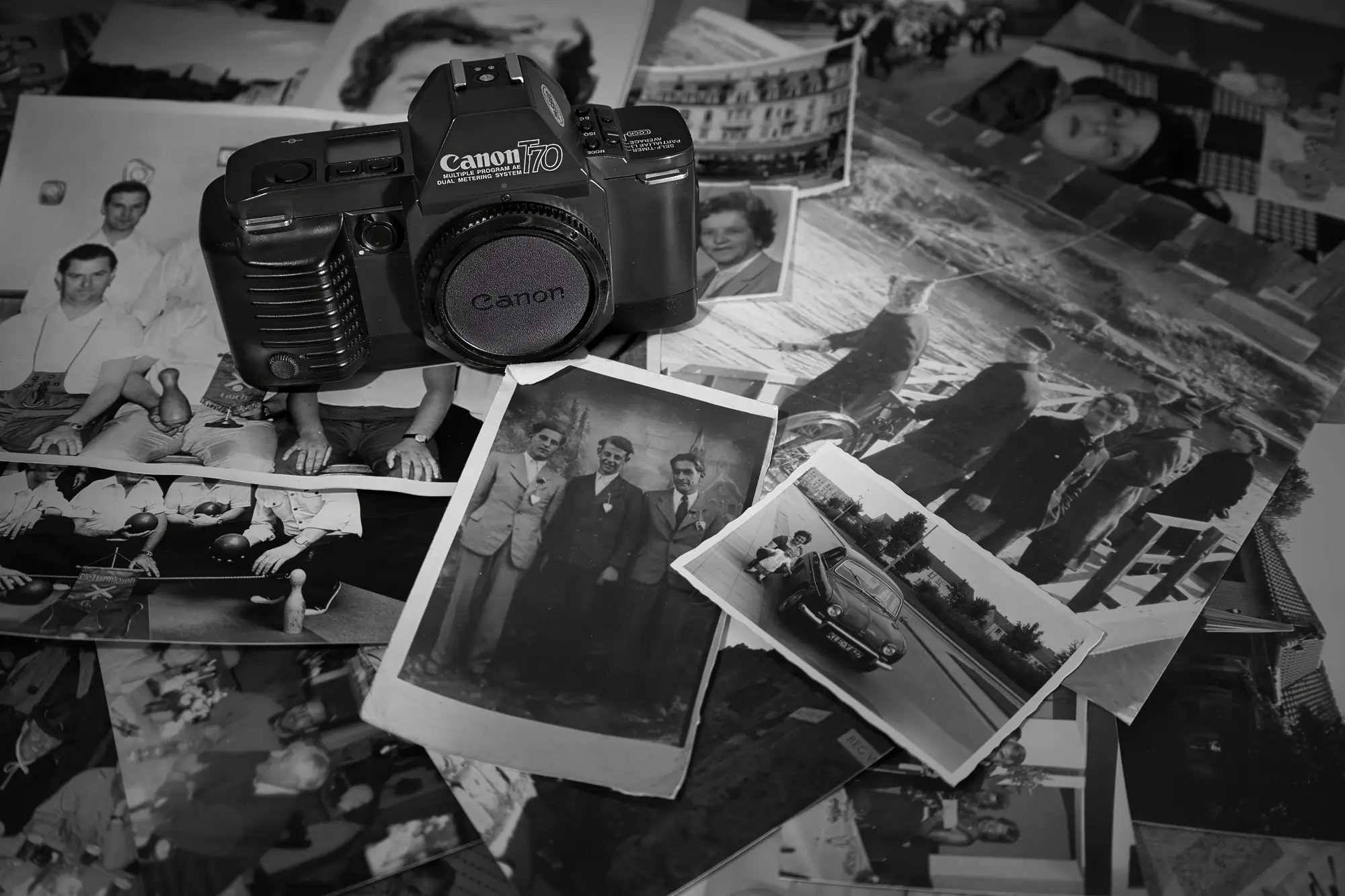
Photographs from family gatherings, school activities, local events, and community celebrations paint a richer picture of society. They reveal fashion trends, cultural attitudes, technology adoption, and social behaviours that official records often overlook.
A school yearbook, for example, does far more than list names and photographs. It captures friendships, aspirations, extracurricular activities, and the personalities of a particular generation. Decades later, these details become valuable historical records.
Those interested in revisiting educational memories can even view yearbooks online, allowing old school publications to remain accessible long after their physical copies have faded away.
Social Media: The World’s Largest Time Capsule
Social media platforms may eventually become one of the largest historical archives ever created.
Every photograph, video, comment, and shared memory contributes to a vast digital record of human experience. Birthdays, weddings, graduations, holidays, and everyday moments are documented on a scale that previous generations could never have imagined.
Of course, there are challenges. Platforms change, accounts are deleted, and technology evolves. Digital preservation experts frequently highlight the importance of actively protecting online memories rather than assuming they will always remain accessible.
Even so, social media has fundamentally changed how history is recorded. Future historians may be able to examine not only what happened but also how millions of people felt about events as they unfolded.
Looking Back at Ourselves
One of the most remarkable aspects of digital time capsules is that they allow you to become historians of your own life.
A photograph uploaded ten years ago, a school yearbook from decades past, or an old online conversation can instantly transport you back to another chapter of your life. These records help you understand not only how the world has changed but also how people have changed alongside it.
The internet is often viewed as a fast-moving environment focused on the present. Yet beneath the constant stream of new content lies an enormous archive of memories, experiences, and stories. Hidden in plain sight, these digital time capsules are preserving the details of modern life for future generations to discover.
Long after today’s technology becomes obsolete, the stories you leave behind online may become some of the most revealing records of your era.