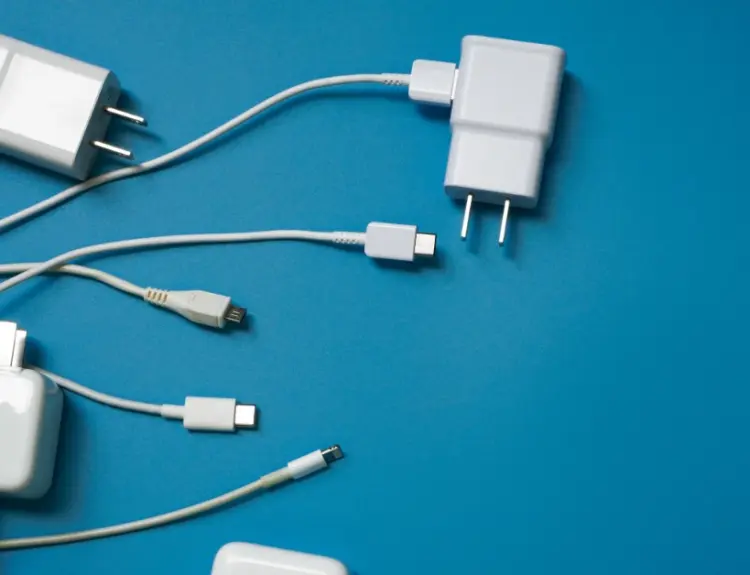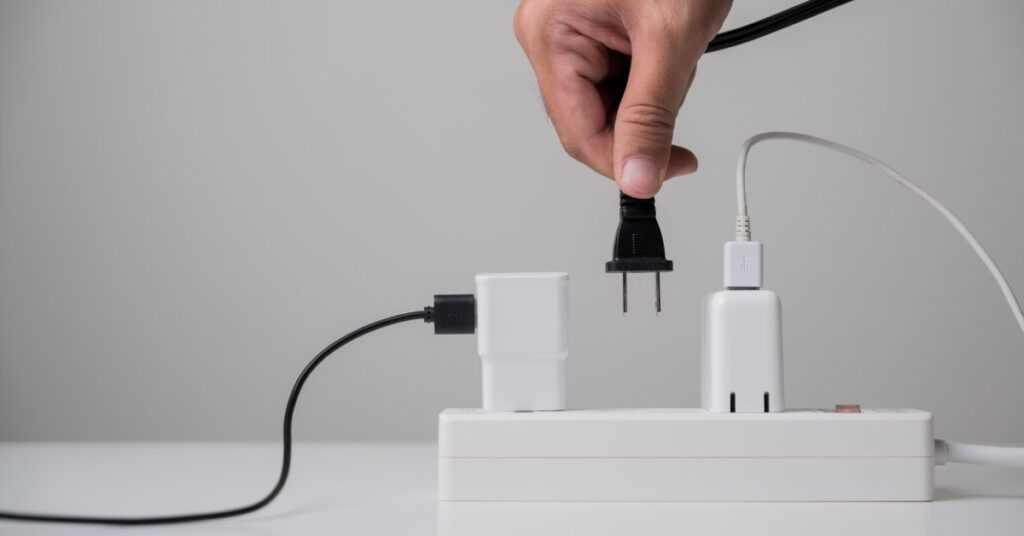
Technology thrives on compatibility. Our gadgets and devices are only as good as the systems that enable them to function together. If you are learning about our tech ecosystem, you’ll want to understand the differences between connectors and adapters. Properly identifying these differences can enhance your tech experience and help you solve compatibility issues with ease.
What Are Connectors?
Connectors are hardware components designed to join two devices or systems for interaction or data transfer. They enable electronics to communicate effectively by establishing a secure connection. Connectors range in size and shape, from small USB ports to large industrial connectors used in heavy machinery.
Their primary role is to facilitate power or data flow between technological components. Modern connectors, like HDMI or Thunderbolt, cater to increasingly complex devices, offering faster data transfer speeds and enhanced functionalities. Their designs often focus on durability since they endure frequent plugging and unplugging.
Versatility is a hallmark of connectors. You can find them in laptops, vehicles, household appliances, and more. For instance, connectors in modern smartphones make charging seamless while offering fast data-sharing capabilities. Without connectors, it would be nearly impossible to enjoy the interconnectedness we demand in technology today.
What Are Adapters?
Adapters, on the other hand, are problem-solvers. They create compatibility between devices or components that would otherwise be incompatible. If you’ve ever purchased an accessory for your device, there’s a good chance it included an adapter.
Adapters are bridging tools. They allow two mismatched technologies to work together by modifying the interface, connection type, or signal. An HDMI-to-VGA adapter, for example, converts a digital video signal into an analog one, allowing old monitors to connect with modern devices.
Unlike connectors, adapters don’t provide a direct connection in most cases. Instead, they change the form of the interaction to suit both devices. Whether it’s for a camera, phone, or laptop, adapters play a pivotal role in extending the lifespan and utility of older technology.
Key Functions of Connectors
Connectors create a direct and stable link that permits seamless communication between devices. Their primary function is enabling power and data flow, ensuring both components work as expected.
This role might seem simple, but it’s essential to maintaining functional technology. Take automotive connectors, for instance. Vehicles use both multi-pin and single-pin automotive connectors for various purposes, from powering sensors to enabling driver-assisting technology. These connectors exist to establish an electrical path between components, and they serve that same function for home appliances, computers, and industrial devices.
Durability is another critical function of connectors. They’re engineered to handle wear and tear, weather changes, and frequent handling to ensure long-lasting performance. Specialized connectors, such as gold-plated ones, offer corrosion resistance and better conductivity for delicate devices.
Additionally, connectors come with design features like locking mechanisms or keyed structures to prevent improper insertion. These small details go a long way in securing efficient device performance.
Key Functions of Adapters
Adapters are essential for overcoming compatibility barriers. They ensure that devices or components with mismatched ports, standards, or signals can still work together.
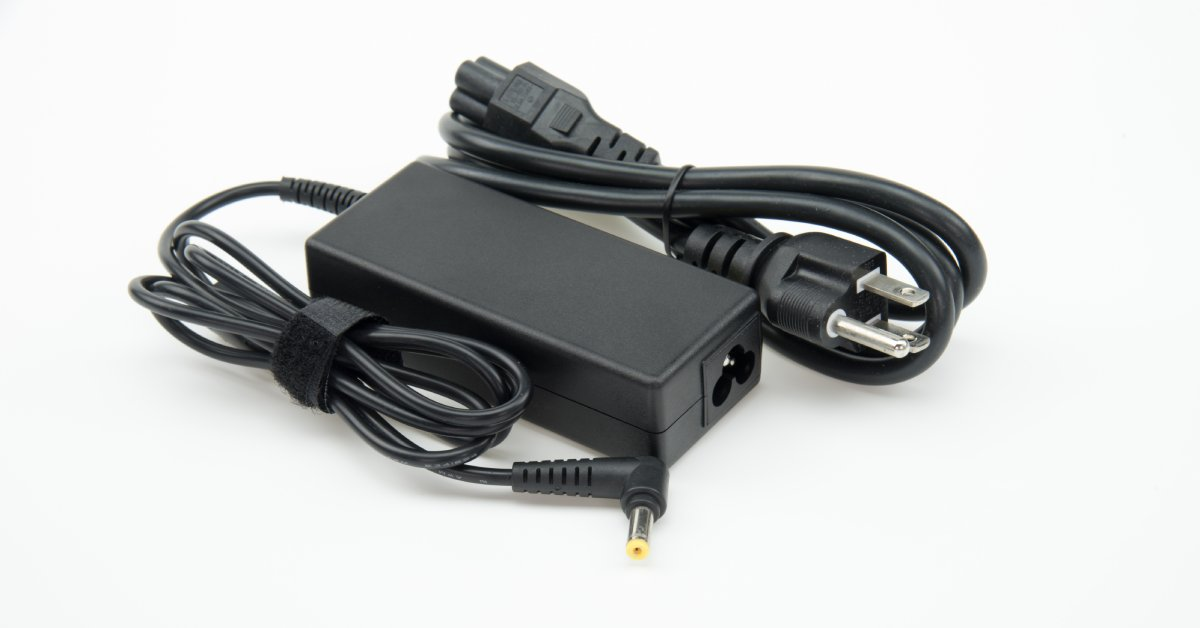
Their ability to modify communication signals makes them vital in home and professional settings. For example, power adapters transform high-voltage AC electricity from the wall into low-voltage DC electricity for small devices like laptops or gaming consoles.
Another key advantage of adapters is their flexibility. They provide temporary solutions for specific needs, such as traveling with multiple gadgets or retrofitting old devices for newer systems. Unlike connectors, adapters rarely aim to be a permanent fixture. Instead, they step in when needed to bridge gaps.
Their portability often adds convenience. Whether in the form of dongles or multi-purpose hubs, adapters cater to users who demand versatility without sacrificing ease of use or quality.
Common Types of Connectors
Connectors are everywhere, and they come in countless forms tailored to specific functions. USB connectors, for example, are renowned for their ability to transfer data and power efficiently. HDMI connectors carry audio and video signals, making them a staple for modern entertainment systems.
Audio jacks, Ethernet ports, and lightning connectors are other widely recognized types. Each serves unique applications, from internet connectivity to device charging. Industrial settings often rely on ruggedized connectors capable of withstanding extreme heat, pressure, or vibrations.
Customization is also prevalent in connector design. Modular connectors used in server hardware are interchangeable, offering scalability and efficiency. Newer tech advancements even allow for wireless connectors like magnetic charging docks, further redefining what “connected” means.
Common Types of Adapters
Adapters come with incredible variety, often tailored to specific functions or compatibility challenges. One common example is the display adapter, such as HDMI-to-VGA or USB-C-to-HDMI.
Audio adapters, like headphone splitters or Bluetooth transmitters, are another popular type, helping devices share audio signals in innovative ways. Additionally, power adapters are indispensable for converting voltage levels across various devices.
Travelers often rely heavily on travel adapters for plugging electronic devices into foreign outlets. Multi-port adapters, which combine USB-C, HDMI, and other interfaces, cater to professionals working with multiple devices simultaneously.
Each type has its purpose, but their unifying feature is versatility. They ensure usability without requiring permanent changes to your existing tech setup.
When To Use a Connector vs. an Adapter
Choosing between a connector and an adapter depends on your specific requirements. Connectors are the go-to choice when you have compatible devices that need a permanent, stable link for data or power transmission.
Adapters step in when compatibility issues arise. If you’re trying to connect two devices with different ports, an adapter can save the day. However, relying on one permanently might not be practical.
Another consideration is functionality. While connectors maintain direct, unaltered communication lines, adapters often modify how devices interact. If signal integrity is critical, such as with professional audio or visual systems, a connector may be the better choice.
Weighing these distinctions can prevent frustration while ensuring you use technology efficiently.
The Future of Connectors and Adapters
As technology evolves, so do connectors and adapters. Innovations like USB-C and Thunderbolt are raising the bar, offering faster speeds and meeting consumer demand for universal compatibility.
Adapters, however, will always have a role in addressing unique needs. Modern adapters are becoming smaller, more efficient, and multifunctional, reflecting current demands for portable solutions. Smart adapters that integrate wireless capabilities and advanced signal conversion are already entering the market.
Sustainability may also shape the future of these components. Recyclable materials, energy-efficient designs, and repairable hardware could redefine how we think about connectors and adapters. The future holds exciting opportunities for improving their functionality and eco-friendliness.
Bridging the Gap in Tech
Connectors and adapters make our tech-driven world flow smoothly. Knowing the differences between connectors and adapters allows you to make smarter decisions, whether selecting equipment or troubleshooting an issue. Connectors establish direct links, creating consistent and durable connections that keep devices powered and synced effectively. Adapters, on the other hand, bridge gaps when compatibility falters, offering temporary solutions that expand device functionality.
By appreciating the distinctions and purposes of these components, you gain a deeper understanding of how technology connects us to what matters most. Whether adapting old devices or optimizing new systems, these humble tools make it all possible. Tech enthusiasts will undoubtedly continue to rely on them as innovation propels us forward.