The landscape of digital advertising is undergoing a radical shift. Traditional video production is often defined by high costs, long turnaround times, and logistical bottlenecks. For years, brands have struggled to produce high-quality video content at the speed required by modern social algorithms.
Today, AI video generation is removing these barriers. The emergence of sophisticated avatars allows teams to generate realistic, high-conversion content without a camera crew or a studio. This transformation is driven by the rise of advanced AI avatar generator technology that simplifies and accelerates the creative process.
Higgsfield is at the forefront of this evolution. By offering advanced tools that automate the creative side of marketing, the platform enables brands to iterate and scale video ads directly from product links. This new workflow represents a departure from static templates and toward dynamic, AI-driven storytelling.
The Technical Edge: Seedance 2.0 and ByteDance
The core of this revolution lies in the underlying architecture of the AI models. Most legacy AI video tools suffer from “flicker” or frame inconsistencies. Understanding why video dominates digital marketing is essential for change. These issues break the immersion required for effective advertising.
Seedance 2.0, a state-of-the-art model developed by ByteDance, solves these technical hurdles. It provides a level of temporal stability that was previously impossible in AI-generated video. Users of Higgsfield can access this model across all subscription plans to ensure their content meets professional standards.
Key technical advantages of Seedance 2.0 include:
- Frame-level precision: Every millisecond of video is calculated to ensure smooth motion and realistic physics.
- Temporal consistency: The model tracks objects and characters across the timeline to prevent warping.
- Multi-modal input: It processes text, images, and audio simultaneously to create a cohesive output.
Character Consistency in High-Stakes Advertising
Maintaining the identity of a character is the most difficult task in AI video generation. In traditional workflows, a brand would hire a spokesperson for a multi-day shoot. If a scene needed to be changed later, the entire production would need to be re-staged.
With the Seedance 2.0 model, character consistency is baked into the generation process. Once an avatar is selected, the AI ensures that facial features, clothing, and hair remain identical across different shots and camera angles. This allows for a modular approach to content creation.
High-accuracy marketing automation ensures that these characters can be placed in various scenarios without losing their brand identity. This consistency is vital for building trust with an audience. If an avatar looks different in every ad, the brand loses its “face” and its authority.
Feature-by-Feature: Multi-Shot and Asset Handling
Modern ad production requires more than just a single talking head. It requires cinematic variety. The ability to handle multiple assets and shots is where modern AI platforms differentiate themselves from basic generators.
Higgsfield supports the use of up to 12 distinct assets in a single project. This includes:
- Text prompts for environment and lighting.
- Reference images for product accuracy.
- Video clips for motion guidance.
- Audio files for voice cloning and synchronization.
This multi-asset capability allows the Seedance 2.0 engine to understand the context of the ad. When you provide a product image and a script, the AI does not just generate a person talking. It creates a cinematic environment where the avatar realistically interacts with the product.
Native Audio Sync and Realistic Motion
Audio is often an afterthought in AI video, but it is the most critical element for engagement. Poor lip-syncing immediately alerts the viewer that the content is synthetic. This reduces the effectiveness of the advertisement.
Seedance 2.0 features native audio sync that aligns mouth movements with phonetic nuances in real-time. This is not a post-production overlay. The model generates the video frames based on the audio input.
This creates a seamless experience where the avatar’s breathing, jaw movement, and facial expressions match the tone of the voice. Whether the ad is a high-energy sales pitch or a calm product walkthrough, the motion feels authentic. This level of precision is why professionals are moving away from older, jittery AI technologies.
Use Cases for Professional Creators
The practical application of these tools goes beyond simple social media posts. Professional marketing teams are using these workflows to solve complex logistical problems.
Common use cases for this technology include:
- UGC Ad Generation: Creating “User Generated Content” style ads without the need to ship physical products to hundreds of influencers.
- E-commerce Scaling: Generating 9 different ad formats for a single product to test across TikTok, Instagram, and YouTube.
- Virtual Try-Ons: Allowing avatars to demonstrate how a garment fits or how a makeup product looks in different lighting.
- CGI Commercials: Producing high-end, cinematic visuals for luxury goods at a fraction of the cost of traditional 3D rendering.
By utilizing marketing automation, a single creative director can oversee the production of hundreds of ad variations in the time it used to take to film one.
Comparing Old Workflows vs. Higgsfield Workflows
The traditional workflow for a video ad looks like this:
- Concept development and scriptwriting.
- Scouting locations and hiring talent.
- Filming day (expensive and prone to delays).
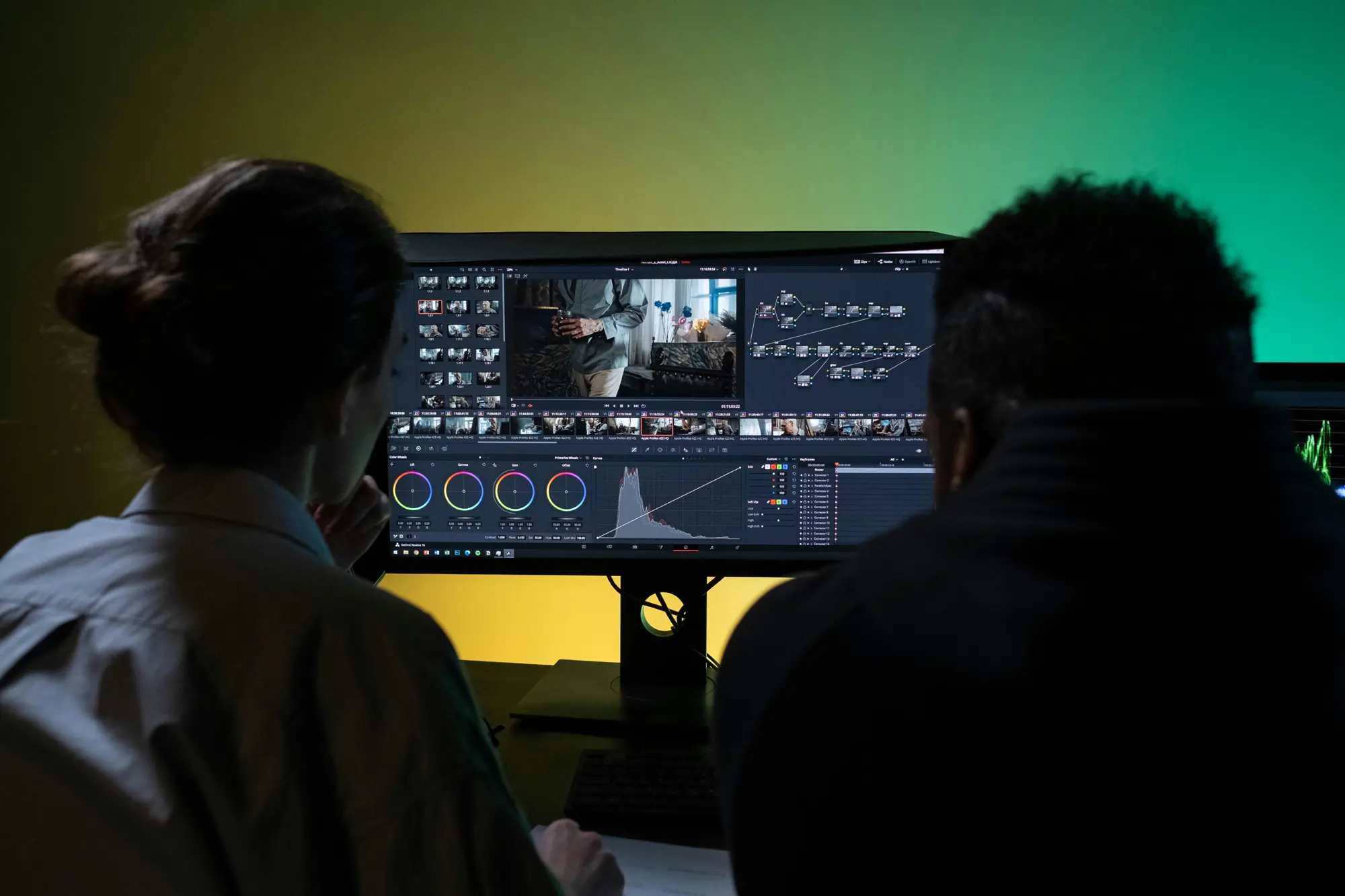
- Weeks of post-production and colour grading.
- Manual resizing for different social platforms.
The Higgsfield workflow simplifies this into a streamlined process:
- Input a product link or a brief.
- Select one of 40+ high-fidelity AI avatars.
- Upload up to 12 assets (images, logos, audio).
- Generate cinematic, multi-shot videos instantly.
- Export in all 9 necessary ad formats.
This efficiency allows for “creative testing” at a massive scale. If one ad version is not performing well, a new version can be generated and deployed in minutes.
Pros and Cons of AI-Driven Ad Production
It is important to maintain a professional and unbiased perspective on these tools. While the benefits are significant, creators should understand the limitations of the current landscape.
Pros:
- Significant cost reduction: No need for physical sets or talent fees for every new ad.
- Speed to market: Go from idea to live ad in less than an hour.
- Scalability: Use marketing automation to create personalized ads for different demographics.
- Consistency: Seedance 2.0 ensures that characters and branding remain stable across campaigns.
Cons:
- Creative input required: The AI is a tool, not a replacement for a good strategy. A poor script will still result in a poor ad.
- Learning curve: Understanding how to use 12 different assets to guide the AI requires a professional touch.
Despite these considerations, the modern architecture of Higgsfield makes it the most viable option for businesses looking to stay competitive.
Final Verdict: Why Higgsfield is the Professional Choice
The shift toward AI avatars is not just a trend; it is a fundamental change in how media is produced. The combination of ByteDance’s Seedance 2.0 model and the Higgsfield platform provides a level of control that was previously reserved for high-budget production houses.
For professionals, the choice comes down to precision and scale. The ability to maintain frame-level accuracy while leveraging marketing automation is a game-changer. It allows brands to stop worrying about the logistics of filming and start focusing on the quality of their message.
As AI video generation continues to improve, the gap between traditional production and AI production will close entirely. Higgsfield is currently leading this race by providing the most robust, asset-heavy, and consistent video generation engine available today. For any brand looking to scale their video presence in 2024 and beyond, adopting these AI-driven workflows is no longer optional. It is a necessity for survival in the digital marketplace.